Hedge cutting in Cranford
If you are looking for hedge cutting in Cranford, you are probably after a service that is neat, reliable, and suited to the way local gardens and boundaries are actually used. In this part of west London, hedges do more than look decorative. They create privacy in family gardens, soften the edges of terraced homes, screen driveways, mark out front boundaries, and help commercial premises stay tidy and presentable. Regular hedge maintenance keeps those features under control and makes the whole property feel cared for.
Whether your hedge has started to grow beyond the fence line, is blocking light into the house, or simply needs shaping after a season of fast growth, a local hedge trimming service can make a noticeable difference. From small clipped borders to tall mature screening hedges, the work needs the right equipment, careful handling, and an eye for shape. A well-cut hedge improves kerb appeal, supports healthy growth, and prevents the common problems that come with letting hedges run too long.
Local customers in Cranford often need a flexible service that works around busy streets, mixed housing, and limited access. That can include front gardens with pedestrian access only, shared side passages, narrow driveways, and commercial sites where work has to be completed with minimal disruption. A proper local team understands these practical issues and plans the hedge cutting accordingly, saving you time and hassle.
Why hedge cutting matters for Cranford properties

Hedges can transform a property, but only when they are managed well. In Cranford, where you will find a mix of period homes, family houses, maisonettes, flats with communal green areas, and local business premises, hedges serve a wide range of purposes. They may act as natural fencing, provide privacy from passing traffic, or create a clean boundary between neighbouring plots. When they are left too long, however, they can become untidy, top-heavy, and difficult to bring back into shape.
Regular hedge maintenance is about more than appearances. It helps prevent overgrowth, encourages even regrowth, and reduces the likelihood of branches becoming woody and sparse at the base. For flowering hedges, seasonal cutting can also support healthier blooms and better structure. For security hedges, consistent trimming helps maintain height and density without letting the plant become unmanageable.
In practical terms, hedge care also helps with day-to-day living. Overhanging hedges can reduce pavement space, make it harder for pedestrians to pass, block windows, and interfere with parked vehicles. For commercial sites, an overgrown boundary can affect the appearance of a forecourt or entrance, which is often the first thing customers and visitors see. That is why many local property owners arrange hedge cutting before small issues turn into bigger ones.
What our hedge cutting service includes
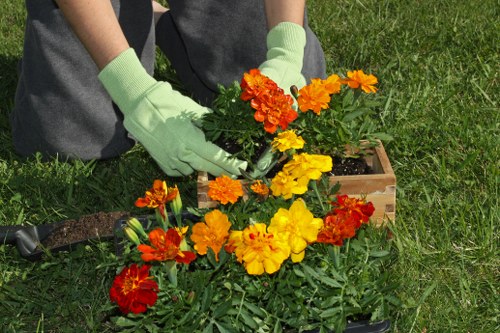
When people enquire about hedge cutting, they are often looking for a service that is straightforward but thorough. The exact work depends on the hedge type, its height, shape, and condition, as well as how accessible the area is. A good hedge cutting service should feel tailored to the property rather than rushed or overly general.
Typical hedge work can include:
- Trimming the sides and top to the required shape
- Reducing height where the hedge has become too large
- Regular maintenance cutting for tidy, even growth
- Seasonal reshaping after strong spring and summer growth
- Careful cutting around gates, fences, paths, and driveways
- Removal of loose clippings and tidy-up of the work area
- Advice on how often the hedge may need future attention
For many Cranford gardens, the challenge is not only the cut itself but the clean finish afterwards. Hedges often line narrow paths, shared side access, or borders close to neighbours' property. That means the work has to be controlled and tidy from start to finish. Good hedge cutting is as much about precision as it is about speed.
If your hedge has become uneven or has not been cut for a while, it may need a stronger reduction first, followed by a maintenance plan later. Mature hedges often benefit from a considered approach, where shape, plant health, and future growth are all taken into account. This is especially important for mixed hedging, where different plant species may react differently to cutting.
Local knowledge makes a real difference

Cranford has its own practical challenges, and working locally means understanding them. Streets can be busy, parking can be tight, and access between properties is not always generous. Some homes have hedges that sit close to public footpaths, while others have rear gardens only reachable through the house or a narrow side entrance. A local hedge cutting team can plan for these details and arrive prepared with the right tools for the layout.
That local experience matters on smaller residential roads as well as near busier routes. If a hedge borders the pavement, work may need to be managed carefully so that residents, visitors, and passers-by are not inconvenienced. For commercial customers, timing can be important too. Shops, offices, clinics, managed sites, and shared properties often need hedge maintenance carried out with respect for opening hours, access points, and customer movement.
Using a Cranford-based service also helps when you want the job completed efficiently and with practical communication. There is a real benefit in speaking to a team that already understands the area, the typical property layouts, and the kinds of hedges commonly found locally. That can make it easier to arrange a visit, explain your needs clearly, and receive sensible advice on the work required.
Hedge types commonly cut in Cranford
Not all hedges grow or respond the same way, so the approach should reflect the plant type and the condition it is in. In Cranford, local properties often feature a mix of formal decorative hedges and more informal boundary planting. Each one needs a different style of attention to keep it looking good and growing healthily.
Common hedge varieties and their needs
- Privet: often benefits from regular shaping to keep it dense and neat
- Laurel: fast-growing and can become wide quickly, so it often needs firm trimming
- Holly: slower-growing and more spiky, so careful handling is important
- Beech: can be shaped into an attractive boundary but may need attention at the right time of year
- Conifer hedges: need a cautious approach because overcutting into old wood can leave bare patches
- Mixed hedging: may require selective trimming to balance different growth rates
Many customers are unsure whether their hedge needs a light trim, a full reduction, or just a tidy-up. The best answer depends on how much it has grown, whether it has been cut recently, and what result you want to achieve. A hedge that has become wide and shaggy may need a stronger cut back than one that simply needs the top and edges redefined. Understanding the hedge type helps avoid unnecessary damage and keeps the plant in good condition.
For flowering and wildlife-friendly hedges, timing can also be important. If birds are nesting, work may need to be postponed or handled with extra care. This is one reason why customers often prefer a local, considerate team rather than a one-size-fits-all approach. Responsible hedge care should balance appearance, plant health, and the needs of the surrounding environment.
Residential hedge cutting for homes in Cranford
For homeowners, hedge cutting is often about keeping the property neat without turning a weekend into a difficult job. Front garden hedges, driveway borders, and rear boundary planting can grow faster than expected, especially in warmer months. Once they start leaning into paths or blocking light, the whole garden can feel less manageable.
Residential hedge trimming in Cranford is commonly requested for terraced houses, semis, detached homes, maisonettes, and homes with shared side access. Each setting brings its own needs. A small front hedge might simply need a clean seasonal shape, while a taller boundary hedge may need height reduction to restore balance and allow more daylight into the garden or windows.
Many local customers also want their hedges cut before special occasions, property viewings, or seasonal garden use. A sharp, even hedge can make a big difference to how the whole property presents itself. It can frame the garden, improve first impressions, and make outdoor spaces feel more welcoming. That is why hedge maintenance is often one of the simplest ways to improve the look of a home.
Common residential reasons to book hedge cutting
- Hedges are blocking light into the home
- Branches are reaching over paths or driveways
- The garden edge looks untidy or overgrown
- Neighbours have raised concerns about boundary growth
- The hedge needs shaping after a fast-growing season
- You want the garden to look better for visitors or sale
Commercial hedge maintenance for Cranford businesses
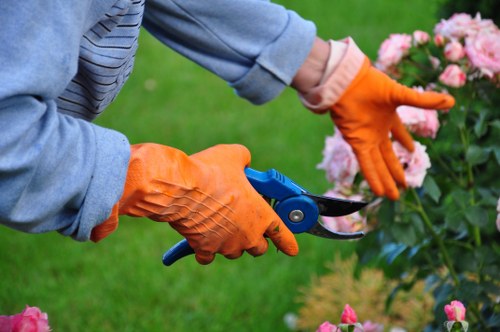
Businesses, landlords, and property managers in Cranford often need hedge cutting carried out on a reliable schedule. Commercial grounds are judged quickly by visitors, tenants, and customers, and boundary planting is part of that impression. An overgrown hedge outside an entrance, car park, or frontage can make a site look neglected even if the rest of it is well maintained.
Commercial hedge maintenance may be needed for offices, retail units, hospitality sites, schools, care environments, managed housing, shared access roads, and industrial or trade premises. The work usually needs to be planned around site traffic, parking areas, opening times, and pedestrian movement. A local service can take those practical points into account and complete the work with minimal interruption.
For commercial customers, consistency matters. A hedge that is trimmed regularly is easier to control and keeps the site looking professional throughout the year. It can also help maintain visibility at entrances and exits, keep pathways clear, and reduce the risk of branches becoming a nuisance to customers or staff. If you manage multiple properties, a local hedge cutting provider can often help keep standards consistent across sites.
How the hedge cutting process usually works
Many people like to know what happens before booking a service. The process should be clear, practical, and easy to follow. While every property is different, a typical hedge cutting visit often follows a simple pattern.
- Initial assessment: the hedge is checked for height, width, condition, accessibility, and the shape required.
- Planning the cut: the approach is chosen based on the hedge type and whether a light trim or reduction is needed.
- Cutting and shaping: the hedge is trimmed carefully to create an even, neat finish.
- Clearing clippings: loose cuttings are gathered and removed from paths, lawns, and borders.
- Final tidy-up: the work area is left neat and usable.
This process may sound simple, but the quality of the finish depends on the care taken at each stage. For taller hedges, the job may involve ladders, long-reach equipment, or specialist access techniques, always chosen with safety and accuracy in mind. For smaller domestic hedges, a careful hand finish can be enough to bring back a crisp line and a smart appearance.
Some customers ask whether a hedge can be cut hard back all at once. The answer depends on the species and condition. Some hedges tolerate reduction well, while others need gradual shaping over more than one visit. A sensible approach protects the hedge and avoids leaving it thin, stressed, or patchy. Getting the cut right now can save a lot of frustration later.
What to expect from a professional local team
Choosing a professional hedge cutting service should give you more than just a quick trim. You should expect attention to detail, a practical approach to access and cleanup, and clear communication about what can be achieved. A local team working in Cranford should be ready to deal with the realities of different property types and garden layouts.
Good service usually means:
- Arriving prepared for the hedge size and access conditions
- Using suitable tools for a neat and controlled cut
- Respecting neighbouring properties and shared boundaries
- Working safely around paths, walls, gates, and parked vehicles
- Leaving the area tidy and ready to use
- Offering practical advice on future maintenance
Local customers often value straightforward service. That means clear discussion about the hedge, realistic expectations, and no unnecessary complication. Whether the job is a one-off tidy-up or part of regular garden care, the aim is to leave the property better shaped, easier to manage, and more attractive from both inside and outside.
If you are comparing providers, think about experience, local familiarity, and how well the service fits your property. A hedge that looks simple from the road may hide awkward access, mixed growth, or boundary concerns when work begins. A team used to Cranford properties is more likely to anticipate those issues in advance.
Preparation checklist before your hedge cutting appointment
Preparing the area before a hedge cutting visit helps the work go smoothly and may save time on the day. You do not need to do much, but a few small steps can make a big difference, especially if access is limited or the hedge runs close to garden furniture, cars, or planting beds.
Helpful preparation steps
- Move cars, bikes, or bins away from the hedge if possible
- Clear ornaments, furniture, and fragile items from the cutting area
- Make sure side gates or access points can be opened easily
- Check whether pets need to be kept safely indoors or elsewhere
- Let the team know about hidden features such as cables, lights, or irrigation lines
- Point out any concerns about neighbour boundaries or shared access
If your hedge borders a pavement or shared driveway, it is helpful to mention this beforehand so the work can be planned around access. In some Cranford streets, parking and turning space can be limited, so advance awareness of the site layout helps everything run more smoothly. The same applies to gardens where tools or clippings need to be carried through the house or along narrow passageways.
Even if you are not sure what needs doing, it is still worth requesting a visit or quote. Many people know their hedge is too large or too untidy but do not know the best way to describe the result they want. A local service can help translate that into a suitable cutting plan.
Pricing factors and what affects the quote

Customers often want to know what influences the cost of hedge cutting in Cranford. While exact prices depend on the individual job, there are several common factors that affect the amount of work involved. Understanding these can help you compare quotes more confidently and avoid surprises.
Main pricing factors usually include:
- Hedge height and width
- Overall length of the hedge
- How overgrown or dense the hedge is
- Whether access is straightforward or restricted
- Whether the work is a light trim or a larger reduction
- Amount of waste and clippings to be removed
- Time needed for clearing and final tidy-up
Taller or thicker hedges usually take longer to cut and may need more than one pass to achieve a balanced finish. Tight access can also affect the job because equipment may need to be carried by hand or used more carefully. Similarly, hedges with awkward shapes, mixed species, or rough previous cuts can take extra time to reshape properly.
For best value, many customers choose to keep hedges on a regular maintenance cycle rather than letting them get heavily overgrown. Smaller, routine trims are often easier to manage than occasional large reductions. They also help preserve the hedge structure and reduce the work needed each time. If you are unsure whether now is the right time, it is sensible to request a free quote and ask for advice based on the actual condition of the hedge.
Why choose a local hedge cutting company in Cranford?
There are practical reasons to choose a local team for hedge maintenance. Familiarity with the area means better planning, a quicker response, and a more relevant approach to the kind of properties commonly found in Cranford. It also means the service is better suited to the reality of local access, road conditions, and property layouts.
Local hedge cutters are often a better fit for customers who want a service that feels personal and responsive. They understand that a hedge alongside a busy road may need extra care, while one in a quiet rear garden may need a cleaner finish and more attention to detail. They also recognise that homeowners and business managers often want the same thing: a tidy result with minimal disruption.
Choosing locally can be especially useful if you need repeat maintenance. Hedges do not stop growing after one visit, and regular care is often the easiest way to keep them in shape. A local company is better placed to help with ongoing seasonal work, occasional height reductions, or planned upkeep for multiple properties across the area.
Areas covered around Cranford
Hedge cutting services in Cranford often extend to nearby neighbourhoods and surrounding parts of west London where similar property types and access challenges are common. This can be helpful for homeowners, landlords, and businesses that manage properties across several nearby locations.
Areas commonly covered may include:
- Cranford
- Harlington
- Hounslow West
- Heston
- Ashford Road surrounding routes and nearby residential pockets
- Local estates, shared access developments, and commercial zones in the wider area
If you are just outside Cranford, it is still worth asking. Many local teams cover neighbouring districts and can often arrange hedge cutting for both domestic and commercial customers within the wider service area. The best approach is to share the hedge details and ask whether the property is within reach.
Frequently asked questions
How often should a hedge be cut?
This depends on the hedge type and how formal you want it to look. Fast-growing hedges often need trimming more than once a year, while slower-growing varieties may need less frequent attention. Many homeowners in Cranford arrange maintenance seasonally or when growth begins to affect light, access, or appearance.
Can you cut back an overgrown hedge?
Yes, in many cases, but the method depends on the species and condition of the hedge. Some hedges respond well to reduction, while others need a more cautious trim to avoid bare sections. If the hedge has been left for a long time, it may be better to reduce it in stages.
Will the clippings be removed?
Most customers prefer the area to be left tidy, so clearing clippings is usually an important part of the service. The exact waste handling approach can be discussed when arranging the work, especially if the hedge is large or produces a significant amount of cut material.
Do I need to be home during the work?
That depends on access and your preferences. Some hedge cutting jobs can be completed with agreed access in place, while others are easier if someone is available to answer questions and point out boundaries or special concerns. If the hedge is in a shared or difficult area, being present at the start can be especially helpful.
What if my hedge is close to my neighbour’s property?
Shared boundaries are common in Cranford, and it is important to work carefully in those areas. The hedge should be cut with respect for both sides of the boundary and with good communication if access or overhang affects neighbouring space. A local team will usually be used to handling these situations sensibly.
Can commercial hedge maintenance be arranged outside normal hours?
Depending on the site and the work required, it may be possible to plan hedge cutting at a time that causes less disruption. This can be useful for businesses, managed sites, and premises where customer access or staff movement needs to be protected.
Book hedge cutting in Cranford
If your hedge is overdue a trim, has started to lose its shape, or is affecting light and access, now is a good time to arrange it. Regular hedge maintenance helps your property look cared for and makes future upkeep much easier. For homeowners, landlords, and business customers alike, a clean hedge line can make a surprisingly large difference to the whole site.
Whether you need a one-off tidy-up or ongoing hedge care, a local service can make the process simple. From small garden hedges to taller boundary lines, the work can be planned around the condition of the hedge and the layout of the property. That means a better result, less disruption, and a more practical experience from start to finish.
Contact us today to request a free quote, discuss your hedge, and arrange a convenient visit. If you are ready to restore shape, improve appearance, and keep growth under control, book your service now and get hedge cutting in Cranford organised without delay.